· Samir Abid · AI Insights · 6 min read
Personal Assistants Are Starting to Just Work
Personal AI assistants used to be clever and fragile. A Kit email launch sequence built overnight while I left the office is why the shift finally feels useful.
Personal Assistants Are Starting to Just Work
August / September 2026
For a while now, the idea of a personal AI assistant has been circling the same promise.
Not a chatbot that answers one question and forgets you. Something closer to a working relationship. A system that keeps context, builds a view of your work over time, holds a backlog, wakes up with reminders, and gets on with jobs without you restating the whole brief every morning.
OpenClaw, Hermes, Buzz, and various homebrew markdown setups have all pushed at that shape. Some of them were interesting. Many of them were also fragile, dependent, and quite nerdy. Reminders got technical. Things broke. There was a lot of overengineering for something that was supposed to make life quieter.
That has been the situation for most of the year to date. The concept was right. The day-to-day experience often was not.
What changed
Late 2025 into early 2026, OpenClaw in particular brought that assistant framing back into view: wake-ups, reminders, a backlog of work, and the sense that the agent could be proactive rather than purely reactive.
The important point is not which product name is winning the week. It is the shift underneath.
A single LLM used as question-and-answer is still useful. Its natural limit appears when the work is ongoing. You do not want to start afresh each time. You want something that already knows the launch, the tags, the audience split, the unfinished jobs, and what “done carefully” means in your setup.
That is the difference between a clever reply and an assistant.
With Grok Bot, in August and September 2026, something simpler happened for me. The product crossed a useful threshold. It is more useful than frustrating. Someone asked why I liked it. I said: because it just works.
I have only been using it for a week or two. That is not enough time for a grand theory. It is enough time to notice when you stop micromanaging subprocesses.
A small overnight test
I run email launches through Kit (formerly ConvertKit). They take me a long time when I do them properly.
There are a lot of moving parts. You have to respect what people have opted into. You have to tune the copy so it lands for the reader, not as one generic blast. In this case the audience is motorsport. Some people drive. Some do not. The wording should change based on that, because that is how I would talk to them in person.
Broadcasts I can manage. Sequences in Kit I have always found awkward. The editor never gave me the control I wanted, so I tended to keep launches as separate broadcasts and live with the friction.
This month I had a launch planned that way. Then, almost as a joke with the bot, the conversation went here:
Me: yes it does. wow. hummm… you know what I’m thinking now don’t you haha!
Bot: Yep. Put the whole Grip Week run into one reusable sequence, then future launches become: update dates/copy, apply the trigger tag, done. No more wrestling nine broadcasts.
Me: eek
Bot: I know. We’ll do it carefully, with drafts only, and leave the live broadcasts untouched.
Me: yeah ok. you can take your time on this as im leaving office now. would be nice to review what youve done in the morning. i suggest having a go. then setting a reminder to review and correct it. then doing the same again with another reminder. might be a nice little “getting stuff done on your own” test
Bot: Deal. I’ll build the full sequence as unpublished drafts tonight, review and correct it twice, then give you a clean morning report. Live broadcasts stay untouched; no trigger, subscribers, publishing, scheduling, or sending.
Bot: Set. I’ll review it at 9:00 PM, review it again at 6:00 AM, then send you the result at 9:00 AM UK. Enjoy leaving the office.
In the morning, the sequence was there. Filters, tags, Liquid, timings. Drafts only. Live broadcasts untouched.
Work that would normally take me a couple of weeks of careful fiddling had been shaped overnight into something I could review.
What this makes possible
This is not a claim that personal assistants are finished, or that every product in the category now behaves well.
It is a narrower observation. The useful test has moved.
For a long time the question was: can an assistant hold context and look proactive in a demo? Now the better question is: can it take a real job, respect the constraints you set, work while you are away, and leave you something reviewable in the morning?
When that answer is yes, the assistant stops being a clever chat window and starts being part of how work gets done.
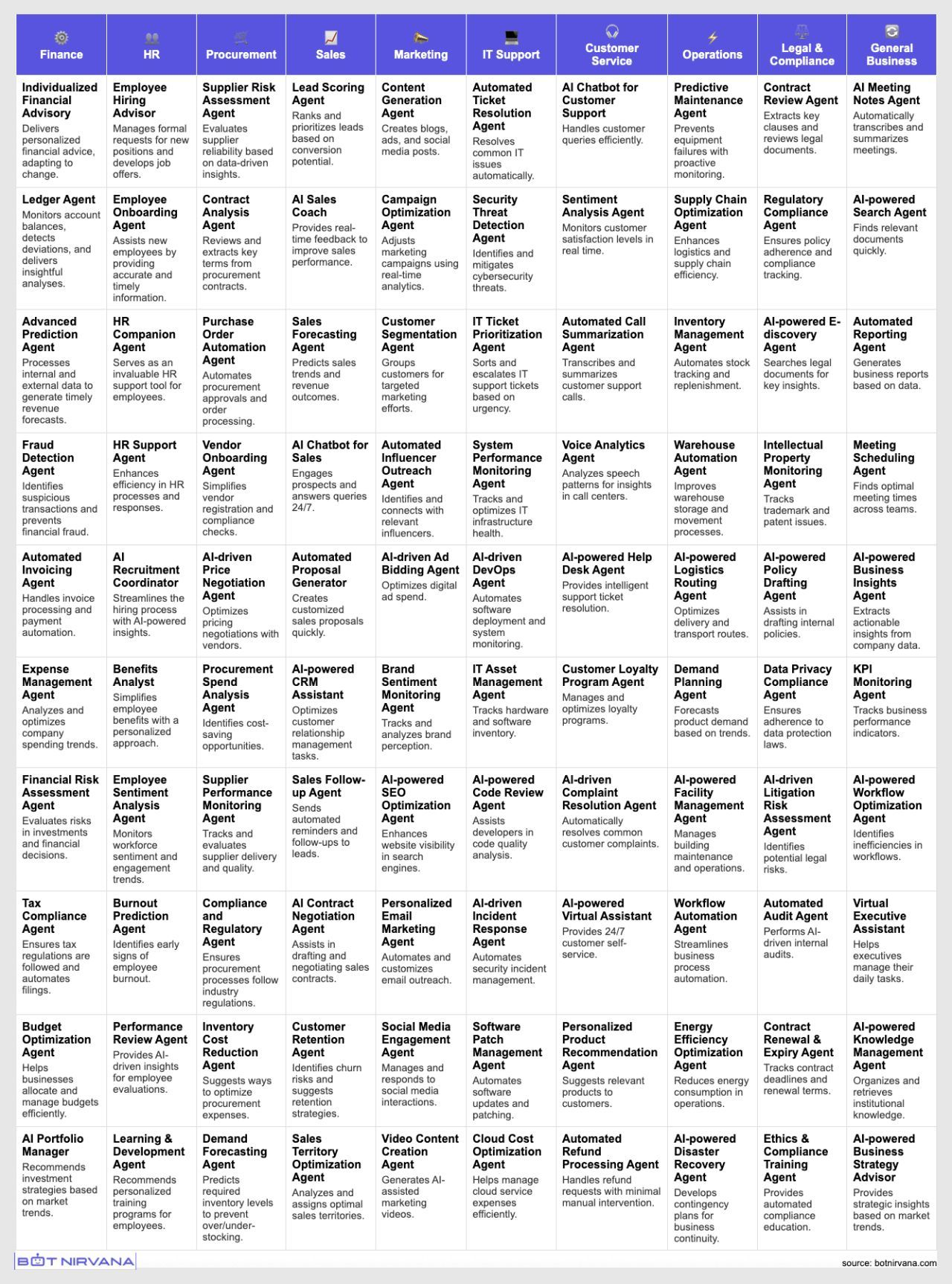
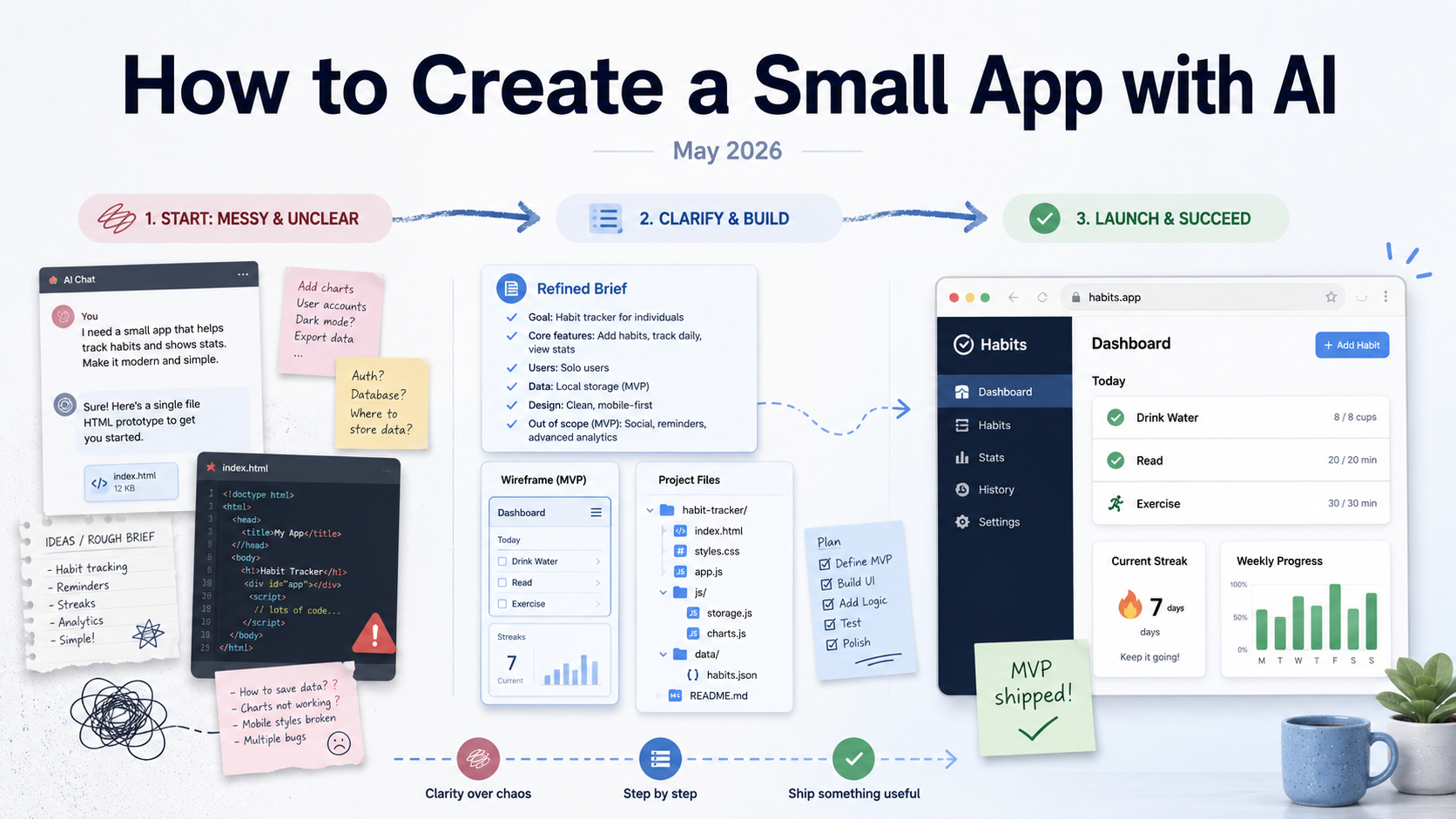
I wrote more generally about where AI already helps in What AI Can Actually Do for Your Business Today. The practical coding side of the same shift shows up in How to Create a Simple App with AI in May 2026. This post is the personal-assistant version of that tipping point.
What to do with it
If you have looked at personal assistants before and found them brittle, it may be worth another look. Not because the marketing got louder. Because the bar that matters is simpler: does it get on with the work without you babysitting every subprocess?
A useful way to test one is the same shape I used:
- Pick a real job with clear constraints.
- Keep anything live untouched.
- Ask for drafts only.
- Leave it overnight with review reminders.
- Judge the morning result, not the evening promise.
That is enough. If it works, you will feel it quickly. If it does not, you have not risked the live system.
Closing note
I am still anxious about Grok. There are open questions about data privacy, where the data goes, and what it might be used for without clear consent. Grok has also had a reputation as the rude one, the bad-boy child of the LLM world. Those concerns have not vanished for me.
This post is not really about Grok the model. It is about the Grok Bot product they have built around it. For me, right now, that product has just crossed the threshold where it is more useful than frustrating. That is what I wanted to share.